

Scaffolders Capability Statement
Show builders, project managers and commercial clients that your scaffolding work is backed by licensed crews, safe systems and practical site experience.

1,000+ Capability Statements created
Who It’s For
Scaffolding is temporary, but the risk around it is very real
Scaffolders help other trades work safely at height, access difficult areas and keep projects moving. Before clients approve your team, they need to know what scaffold systems you work with, what licences your crew holds and how you manage safety, inspections, access and site coordination.
- Providing scaffolding, temporary access or edge protection services
- Supporting builders, roofers, painters, façade contractors, civil teams or industrial sites
- Working on residential developments, commercial buildings, strata properties, schools, warehouses or infrastructure projects
- Installing mobile scaffolds, perimeter scaffolds, access towers, loading bays, temporary stairs or protection systems
- Preparing for tenders, subcontractor panels, supplier lists or larger project opportunities


WHY IT MATTERS
Every trade using the scaffold depends on it being right
A scaffold may only be one part of the project, but it affects the safety and productivity of everyone who uses it. Poor access planning, unclear load limits, weak communication, late inspections or unsuitable scaffold design can create problems for multiple trades and delay the wider program.
A Capability Statement helps clients see how your scaffolding business manages the work before crews arrive on site. It presents your licences, experience, equipment, safety systems and inspection process in a format decision-makers can review quickly.
What’s Inside
What clients check before approving scaffold on site
Your Capability Statement should show the scaffolding work your business can manage, the equipment your team uses and the controls that sit behind safe access. We help organise the details builders, project managers, facility teams and procurement buyers need before engaging a scaffolding contractor.

Service scope
We outline the work your business provides, such as perimeter scaffolding, mobile scaffolds, access towers, loading platforms, stair access, edge protection, scaffold alterations, dismantling, temporary access or site-specific scaffold solutions.
Licences, accreditations and insurance
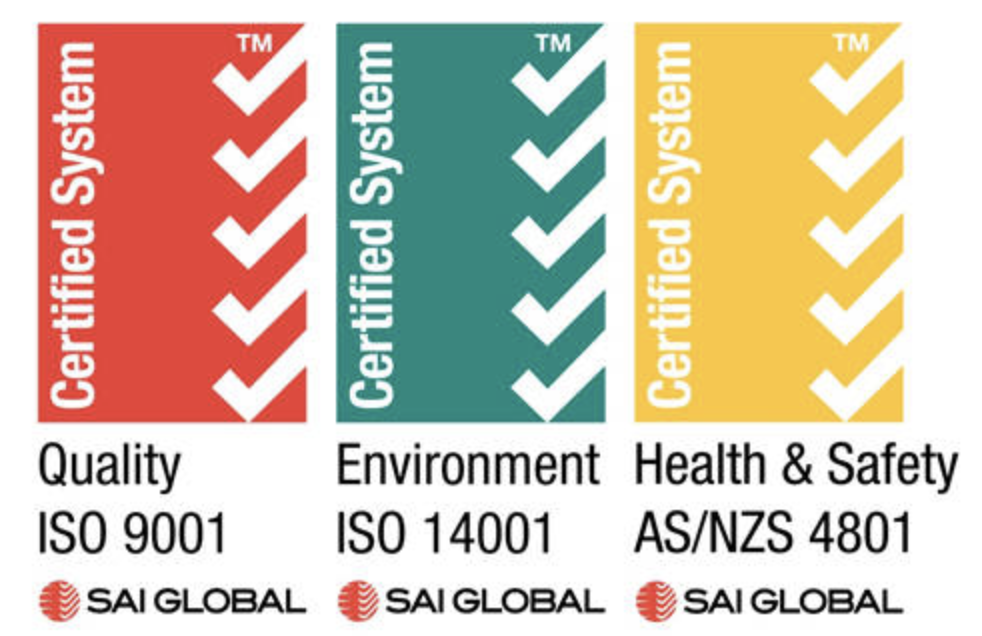
Includes relevant high-risk work licences, scaffolding tickets, white cards, supervisor experience, public liability, workers’ compensation and other compliance information clients may request.

Scaffold systems and equipment
Details your scaffold systems, planks, braces, ties, access components, mobile towers, loading bays, fall protection equipment, vehicles, tools and other assets that show your delivery capacity.

Project and site experience
Highlights the types of projects you have supported, including commercial construction, residential developments, roof works, façade works, painting projects, maintenance work, strata properties, industrial sites or public buildings.

Safety and inspection process
Covers WHS practices, SWMS, scaffold handover, inspection records, scaffold tags, exclusion zones, fall prevention, public protection, alteration controls and procedures for working around active sites.

Planning and coordination
Covers WHS practices, SWMS, scaffold handover, inspection records, scaffold tags, exclusion zones, fall prevention, public protection, alteration controls and procedures for working around active sites.
Scaffold requirements change with the site and the work being done
A scaffolding capability statement should make your access experience clear. A roof repair, façade project, construction site, industrial maintenance job and public-facing property each need different planning, protection and coordination.
Construction and building projects
For new builds, renovations and staged construction, your document can highlight perimeter scaffolds, access towers, loading platforms, temporary stairs, sequencing and coordination with site supervisors and other trades.
Maintenance, roofing and façade work
For roof access, painting, cladding, rendering or façade repairs, your scaffolding contractor capability statement can focus on safe access, edge protection, material handling, occupied-site procedures and protection of the property below.
Public, strata and occupied sites
For schools, strata buildings, retail areas or public-facing locations, the focus may be pedestrian control, restricted access, tenant communication, clear signage, after-hours work and keeping the area safe while the scaffold is in place.
Testimonials
Delivered excellence, validated results
"The team's attention to detail and commitment to excellence truly set them apart. Thanks to you, we now have a powerful tool that consistently impresses our clients and partners."

"The team did a phenomenal job in developing our capability statement. The quality of the final product blew our team away. I highly recommend them."

"They have been professional, responsive and accommodating since I began dealing with them. Great communication and excellent turnaround time from initial consultation to completion."

"As someone with the computer skills of a house brick the idea of having to construct an effective Capability Statement was daunting to say the least. The team at Spark did a great job!"

They were great to work with and produced a capability statement that exceeded expectations whilst staying true to our existing branding. The quick turnaround time without compromising quality sets them apart. Highly recommended!"

"Carol & the team were great to work with to produce a company capability statement including design and copywriting, they were very attentive and professional. Our team was very impressed with the final product, we would definitely recommend working with them."

"The Team assigned to developing my Company Capability Statement was done with professionalism and done to plan. Also, good follow-up on potential other improvements to help with your business."

"Completed Perth Air and Power Solutions capability statement to extremely high standard."

And more ...

The scaffold is often noticed only when it gets in the way
Clients usually want scaffold that allows work to happen safely without creating extra problems. If access is awkward, inspections are unclear, materials block pathways or the scaffold does not suit the trades using it, the issue can slow down the whole site.
A clear scaffolding tender document helps show the planning behind the structure. It gives clients confidence that your business understands access, safety, sequencing, public protection and the practical needs of the trades relying on your work.
“Good scaffolding gives other trades the confidence to work. A strong Capability Statement shows clients how that access is planned, checked and managed.”
Help clients trust the access before work starts at height
Builders, facility managers, strata managers and commercial clients need confidence before scaffold is installed on site. A clear Capability Statement helps them understand your scaffold systems, crew licences, safety process and project experience in one document they can review, compare and share with decision-makers.
Why it matters
What clients look for in a scaffolding contractor
Scaffolding work affects safety, access, sequencing and the ability of other trades to complete their work. Clients want to know your team can install the right structure, keep it safe while it is in use and remove it without creating extra risk.
A professional capability statement for scaffolders helps present your business as organised, site-ready and suitable for work where height access needs to be planned properly.

Licensed crews
Show your scaffolding tickets, high-risk work licences, supervisor experience, inductions and the crew capability behind your access work.

Safe installation and inspections
Highlight how your business manages SWMS, scaffold tags, handover checks, inspection records, alteration controls, fall prevention and exclusion zones.

Coordination with the site
Make it clear how your team works around other trades, access windows, deliveries, public areas, occupied buildings, weather and staged project requirements.
OUR SCAFFOLDERS CAPABILITY STATEMENT PROCESS
How we create your winning capability statement

1
Discovery
We start by understanding the scaffolding services you provide, the scaffold systems you use, the sites you work on and the clients you want to target. We also identify the licences, equipment, safety details and project examples that should be included.
Planning
Our team organises your information around the way builders and commercial clients assess scaffolding contractors. This may include your service scope, crew licences, scaffold systems, equipment, safety procedures, inspection process and site experience.
2


3
Execution
We write and design your Capability Statement so it presents your scaffolding business clearly and professionally. The draft brings your access capability, equipment, safety systems and project experience into one polished document.
Revisions
You review the draft and confirm the details. We refine the content and layout so the final version is accurate, easy to read and ready to send to builders, facility managers, strata managers, contractors or procurement teams.
4

SCAFFOLDERS CAPABILITY STATEMENT FAQS
Frequently asked questions

Get in touch to explore how we can help your business
with a capability statement.
Call us now on
1300 868 000