

Crane Operators Capability Statement
Show builders, project managers and commercial clients that your lifting work is backed by trained operators, safe systems and practical site experience.

1,000+ Capability Statements created
Who It’s For
A crane may only be on site for hours, but the planning behind the lift starts much earlier
Crane operators are trusted with work that can affect site safety, access, sequencing and the success of other trades. Before clients schedule a lift, they need to know your team has the right equipment, licences, lifting experience and site controls to manage the job properly.
- Providing crane hire, crane operation, rigging or lifting services
- Supporting construction, civil, industrial, infrastructure or commercial projects
- Lifting steel, precast, plant, machinery, roofing materials, signage, equipment or building components
- Working with builders, engineers, developers, manufacturers, councils or project managers
- Preparing for tenders, subcontractor panels, supplier lists or larger lifting opportunities


Why It Matters
The real risk is not just the weight of the load
A lift can be affected by ground conditions, access, weather, traffic, surrounding structures, overhead hazards, exclusion zones, permits and other work happening on site. Clients need to know that your crane operation is supported by planning, communication and safe execution, not just equipment availability.
A Capability Statement helps your business present the information clients need before they approve your crew, book the crane or request supporting documents.
What’s Inside
What clients check before approving crane work
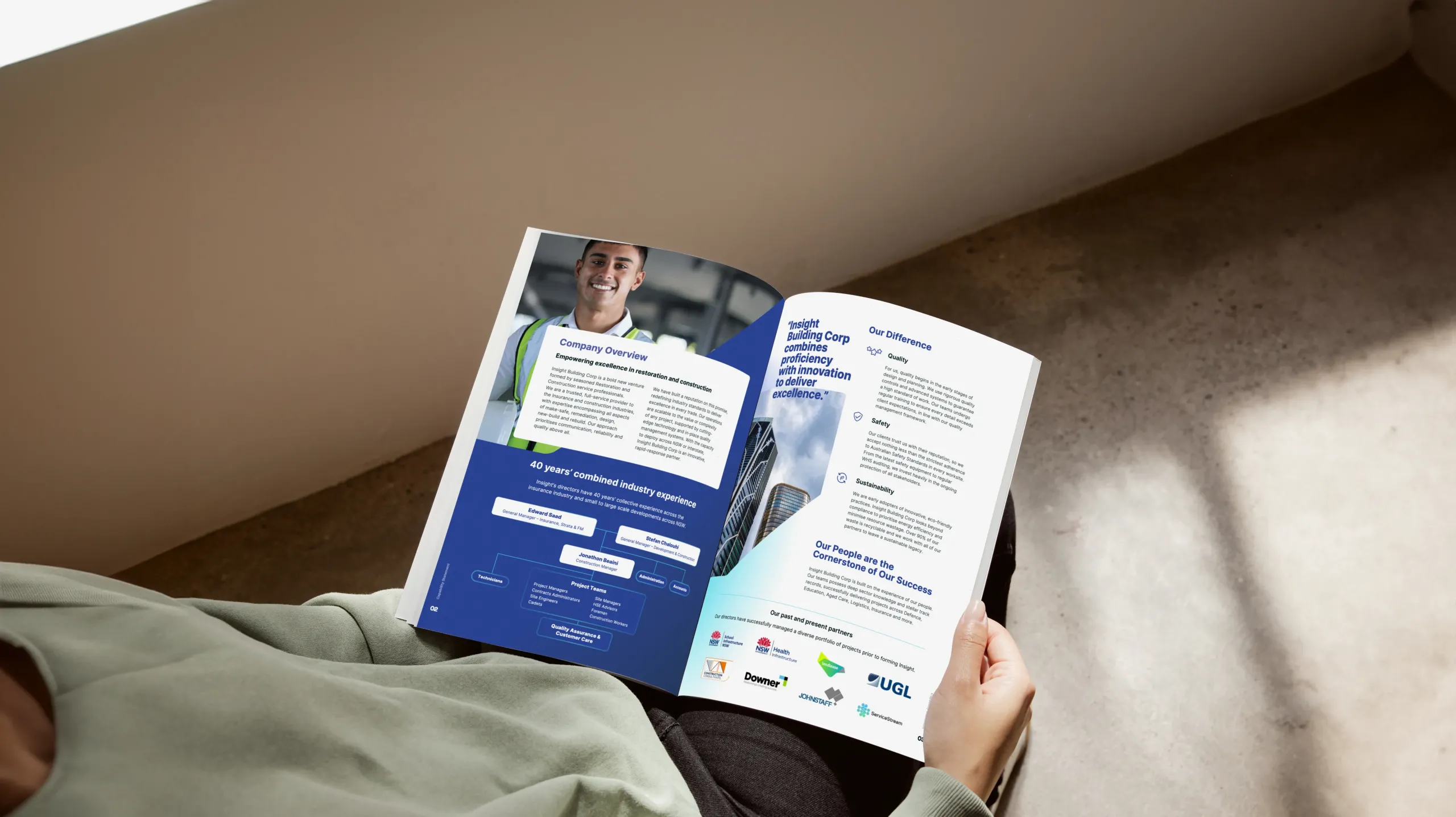
Your Capability Statement should show the crane services your business can provide, the equipment you operate and the site conditions your team is ready to manage. We help organise the details builders, engineers, project managers and procurement teams need before putting a lifting contractor on site.

Service scope
We outline the work your business provides, such as crane hire, mobile crane operation, pick-and-carry crane work, rigging, dogging, machinery lifting, steel erection support, precast lifts, plant relocation, roof lifts, shutdown support or emergency lifting work.
Licences, accreditations and insurance
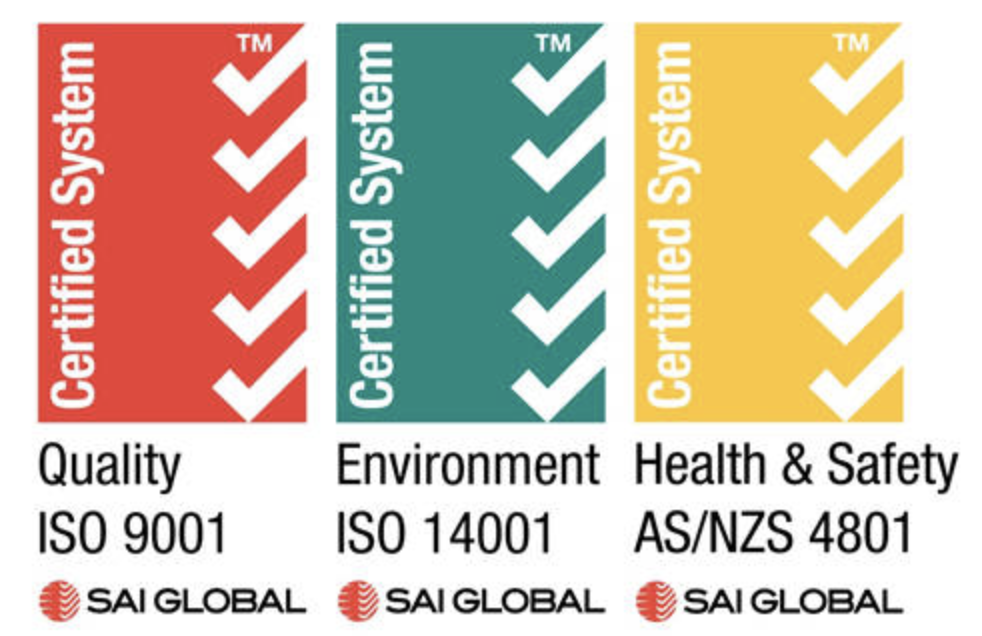
Includes relevant crane operator licences, high-risk work licences, dogging or rigging tickets where applicable, white cards, public liability, workers’ compensation, plant insurance and other compliance information clients may request.

Crane fleet and lifting equipment
Details your cranes, lifting gear, chains, slings, spreader bars, lifting beams, tag lines, service vehicles, support equipment and any other assets that show your ability to complete lifting work safely.

Lift planning and site preparation
Shows how your team approaches site access, load charts, lift studies where required, ground conditions, exclusion zones, permits, traffic interfaces, nearby structures, overhead hazards and weather considerations.

Project experience
Highlights the types of projects you have supported, including construction sites, civil works, industrial facilities, warehouses, commercial buildings, infrastructure projects, shutdowns or equipment installations.

Safety and documentation
Covers WHS practices, SWMS, pre-start checks, crane inspections, lift plans, communication protocols, spotter coordination, maintenance records, incident procedures and completion documentation.
Every lift is judged by its constraints
A crane operator capability statement should help clients understand the type of lifting work your team is built for. A construction lift, machinery relocation, shutdown lift and restricted-access site all need different planning, equipment and communication.
Construction and structural lifts
For steel, precast, roofing materials, façade elements and building components, your document can highlight coordination with builders, sequencing, load handling, exclusion zones and lifting work around other trades.
Plant, machinery and equipment lifts
For industrial machinery, plant relocation, HVAC units, generators or large equipment, your crane hire capability statement can focus on load assessment, access planning, lifting points, transport coordination and careful positioning.
Restricted access and live sites
For busy streets, occupied buildings, tight sites or active facilities, the focus may be permits, traffic control, pedestrian management, communication, lift windows and the ability to complete work without unnecessary disruption.
Testimonials
Delivered excellence, validated results
"The team's attention to detail and commitment to excellence truly set them apart. Thanks to you, we now have a powerful tool that consistently impresses our clients and partners."

"The team did a phenomenal job in developing our capability statement. The quality of the final product blew our team away. I highly recommend them."

"They have been professional, responsive and accommodating since I began dealing with them. Great communication and excellent turnaround time from initial consultation to completion."

"As someone with the computer skills of a house brick the idea of having to construct an effective Capability Statement was daunting to say the least. The team at Spark did a great job!"

They were great to work with and produced a capability statement that exceeded expectations whilst staying true to our existing branding. The quick turnaround time without compromising quality sets them apart. Highly recommended!"

"Carol & the team were great to work with to produce a company capability statement including design and copywriting, they were very attentive and professional. Our team was very impressed with the final product, we would definitely recommend working with them."

"The Team assigned to developing my Company Capability Statement was done with professionalism and done to plan. Also, good follow-up on potential other improvements to help with your business."

"Completed Perth Air and Power Solutions capability statement to extremely high standard."

And more ...

The lift may be quick, but the consequences are not
Clients may remember the moment the load moves through the air, but the outcome depends on everything that happened before it. A missed access issue, unclear lifting point, poor communication or unsuitable crane setup can affect safety, timing and the wider site program.
A clear crane hire tender document helps show the thinking behind the lift. It gives clients confidence that your business understands planning, equipment selection, ground conditions, safety controls and the pressure of getting the lift right the first time.
“A safe lift is not only about the operator in the cab. It starts with the checks, planning and site control before the crane even arrives.”
Help clients trust the lift before the crane reaches site
Builders, engineers, facility managers and commercial clients need confidence before lifting work is added to the program. A clear Capability Statement helps them understand your crane fleet, operator experience, licences, safety systems and project history in one document they can review, compare and share with decision-makers.
Why it matters
What clients look for in a crane operator
Crane work carries obvious risk, but clients are usually looking for more than the machine itself. They want to know that your team can assess the site, plan the lift, communicate clearly and manage the work without creating avoidable pressure for the wider project.
A professional capability statement for crane operators helps present your business as organised, qualified and ready for lifting work where planning matters.

Suitable equipment
Show the crane types, lifting gear, support vehicles and load capabilities that help clients understand whether your business is right for the job.

Qualified people
Highlight operator licences, high-risk work licences, dogging or rigging tickets where applicable, site experience, inductions and the way your team works with supervisors.

Controlled execution
Make it clear how your business manages lift planning, pre-start checks, exclusion zones, traffic interfaces, weather conditions, communication and site handover.
OUR CRANE OPERATORS CAPABILITY STATEMENT PROCESS
How we create your winning capability statement

1
Discovery
We start by understanding the crane services you provide, the equipment you operate, the sites you work on and the clients you want to target. We also identify the licences, tickets, lifting experience, safety details and project examples that should be included.
Planning
Our team organises your information around the way builders, engineers and commercial clients assess lifting contractors. This may include your service scope, crane fleet, lift planning process, operator credentials, insurance, safety systems and site experience.
2


3
Execution
We write and design your Capability Statement so it presents your crane operation business clearly and professionally. The draft brings your lifting capability, equipment, licences, safety approach and project experience into one polished document.
Revisions
You review the draft and confirm the details. We refine the content and layout so the final version is accurate, easy to read and ready to send to builders, engineers, project managers, industrial clients or procurement teams.
4

CRANE OPERATORS CAPABILITY STATEMENT FAQS
Frequently asked questions
Get in touch to explore how we can help your business
with a capability statement.
Call us now on
1300 868 000