

Carpenters & Joiners Capability Statement
Turn your workmanship, project experience and site capability into a document builders, developers and commercial clients can assess with confidence.

1,000+ Capability Statements created
Who It’s For
A clean finish gets noticed on site. Commercial work still needs proof before the first cut
Carpentry and joinery work often sits where drawings, deadlines, materials and site conditions all meet. Before clients trust you with that part of the build, they need to see the kind of work you handle, the standards you work to and the projects you have already delivered.
- Delivering commercial carpentry, framing, fix-out or fit-off work
- Supplying custom joinery, cabinetry, counters, wall panelling or architectural finishes
- Working on retail, hospitality, office, education, strata or residential development projects
- Subcontracting to builders, shopfitters, architects, designers or project managers
- Preparing for tenders, preferred contractor lists or larger commercial opportunities



Why It Matters
Clients are choosing the finish before they can see it
With carpentry and joinery, the final result is often what people remember most. But during tendering or contractor selection, clients cannot judge the finished work yet. They need to rely on your project history, service scope, site processes, insurances and ability to work to the brief.
A Capability Statement gives them a clear way to assess your business before they bring you into a project, request pricing or ask you to submit supporting documents.
What’s Inside
The details that turn workmanship into contract confidence
Every Capability Statement is tailored to your carpentry or joinery business, the work you deliver and the clients you want to win. We help organise the information builders, developers and commercial buyers look for when they are assessing trades for project work.

Service scope
We outline the work your business provides, such as framing, fix-outs, fit-offs, doors, windows, skirting, architraves, timber flooring, cladding, decking, cabinetry, custom joinery, shopfitting or architectural finishes.
Licences and insurance
Includes relevant contractor licence details, trade registrations where applicable, public liability, workers’ compensation and other compliance information required for submissions.

Project experience
Highlights the types of projects you have completed, including commercial spaces, retail fit-outs, hospitality venues, offices, schools, strata buildings, residential developments or bespoke joinery projects.

Drawings, specifications and site coordination
Shows how your team works with plans, specifications, architects, builders, designers, site managers and other trades to deliver work that fits the brief and the program.

Safety and compliance
Covers WHS practices, SWMS, site inductions, working at heights where relevant, tool safety, dust control and the site procedures your team follows on commercial projects.

Team, tools and capacity
Details your tradespeople, apprentices, workshop capacity, site tools, vehicles, machinery, equipment and ability to manage single-site, staged or repeat project work.
Carpentry and joinery are judged in different ways
A carpentry contractor capability statement Australia should make the difference clear. Site carpentry, detailed joinery, shopfitting and timber flooring may sit close together, but clients assess them through different risks, finishes and project expectations.
Site carpentry and structural work
For framing, fix-outs, fit-offs, cladding, doors and on-site timber work, your document can highlight reading plans, coordinating with builders, meeting program deadlines and working safely around other trades.
Custom joinery and fit-outs
For counters, cabinetry, feature walls, seating, storage, reception areas and architectural finishes, your joinery capability statement can focus on workmanship, materials, workshop capacity, installation planning and attention to detail.
Timber flooring and detailed finishes
For parquetry, timber flooring, trims, stair details and high-visibility finishes, the focus may be surface preparation, finish quality, durability, site protection and the ability to deliver work that holds up after handover.
Testimonials
Delivered excellence, validated results
"The team's attention to detail and commitment to excellence truly set them apart. Thanks to you, we now have a powerful tool that consistently impresses our clients and partners."

"The team did a phenomenal job in developing our capability statement. The quality of the final product blew our team away. I highly recommend them."

"They have been professional, responsive and accommodating since I began dealing with them. Great communication and excellent turnaround time from initial consultation to completion."

"As someone with the computer skills of a house brick the idea of having to construct an effective Capability Statement was daunting to say the least. The team at Spark did a great job!"

They were great to work with and produced a capability statement that exceeded expectations whilst staying true to our existing branding. The quick turnaround time without compromising quality sets them apart. Highly recommended!"

"Carol & the team were great to work with to produce a company capability statement including design and copywriting, they were very attentive and professional. Our team was very impressed with the final product, we would definitely recommend working with them."

"The Team assigned to developing my Company Capability Statement was done with professionalism and done to plan. Also, good follow-up on potential other improvements to help with your business."

"Completed Perth Air and Power Solutions capability statement to extremely high standard."

And more ...

Project photos do not explain how the work gets delivered
Many carpenters and joiners rely on photos to show the quality of their work. Photos are important, but they do not explain how your team manages drawings, site access, material lead times, safety requirements, other trades, variations or handover expectations.
A clear carpentry tender document gives clients the business information behind the finish. It helps show that the work does not just look good at completion, but is supported by the systems, experience and coordination needed to get there.
“Good photos show the finished result. A strong Capability Statement helps clients trust the process behind it.”
Help clients see the standard before the work is built
Builders, developers and commercial clients need confidence before your team arrives on site or starts fabrication. A clear Capability Statement helps them understand your trade experience, project types, service scope and delivery capacity in one document they can review, compare and share with decision-makers.
Why it matters
What clients want to avoid on carpentry and joinery projects
Carpentry and joinery work can affect the look, function and handover quality of an entire project. Clients are often trying to avoid rework, delays, poor coordination, material issues and finishes that do not match the brief.
A professional capability statement for carpenters and joiners helps show that your business understands more than the task itself. It gives clients a clearer view of how your team works before they commit.
Rework and defects
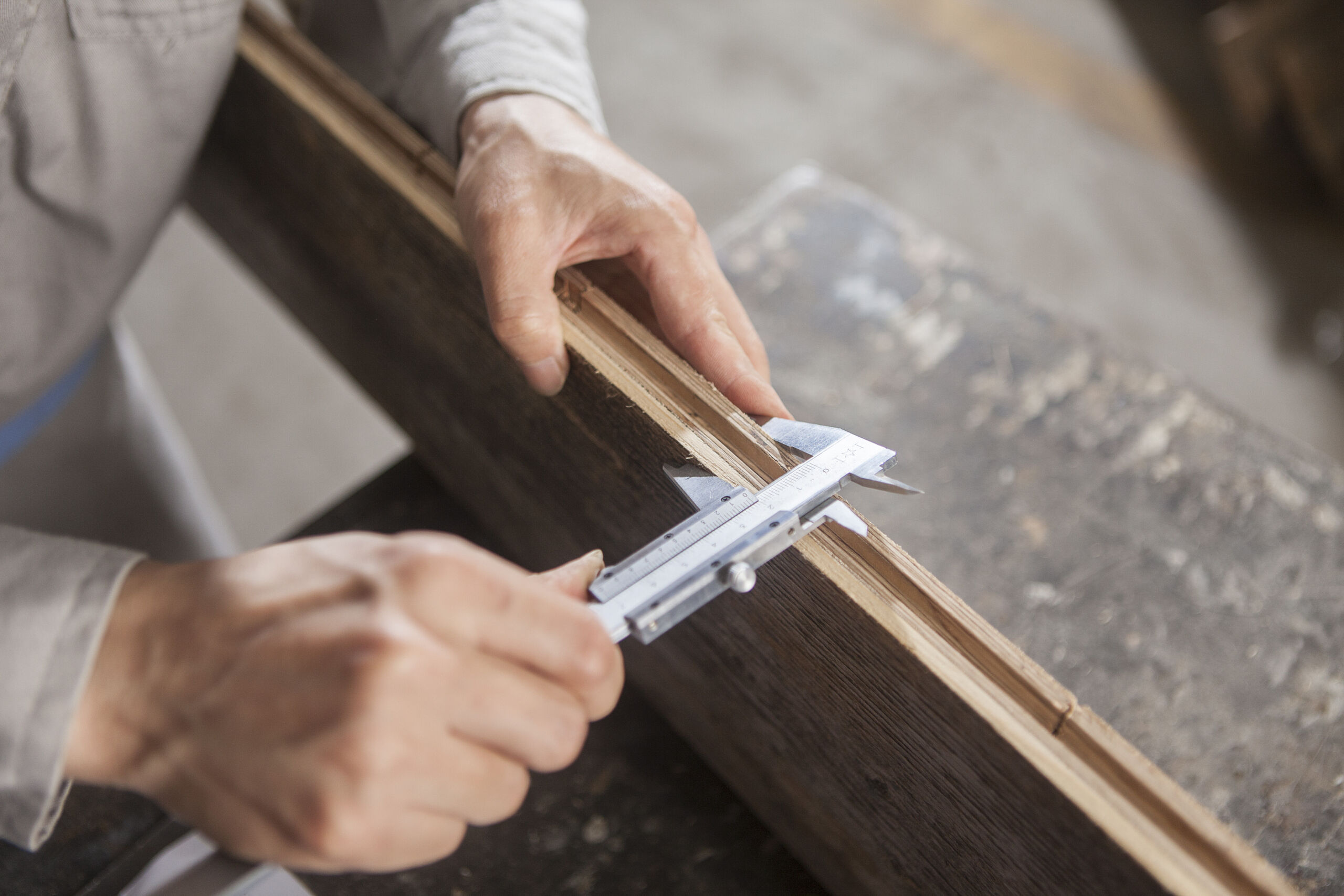
Show how your business approaches measurements, specifications, materials, installation standards and quality checks to reduce avoidable issues.

Program delays
Highlight your ability to coordinate with builders, suppliers, site managers and other trades so carpentry or joinery work does not hold up the wider project.

Handover expectations
Make it clear whether your team can manage final finishes, touch-ups, defect checks, documentation and communication through to completion.
OUR CARPENTERS AND JOINERS CAPABILITY STATEMENT PROCESS
How we create your winning capability statement

1
Discovery
We start by understanding your carpentry or joinery business, the type of work you deliver, the clients you want to target and the projects you want more of. Whether you need a new Capability Statement or a refresh of existing material, we map out what needs to be included.
Planning
Our team develops the structure for your document, including your service scope, project history, trade experience, licence details, insurances, safety information, team capacity and examples of completed work. We make sure the information is clear, relevant and aligned with the opportunities you are targeting.
2


3
Execution
We write and design your Capability Statement so it presents your carpentry or joinery business professionally. You’ll receive a complete draft that brings your workmanship, credentials, project experience and delivery capability together in one polished document.
Revisions
You review the draft and let us know what needs adjusting. We refine the content and layout so the final document is accurate, easy to read and ready to send to builders, developers, architects, project managers or procurement teams.
4

CARPENTERS AND JOINERS CAPABILITY STATEMENT FAQS
Frequently asked questions

Get in touch to explore how we can help your business
with a capability statement.
Call us now on
1300 868 000