

Fire Protection Services Capability Statement
Show builders, facility managers and commercial clients that your fire protection work is backed by licensing, system knowledge and reliable documentation.

1,000+ Capability Statements created
Who It’s For
Fire protection work is judged in the moments everyone hopes never happen
Fire protection contractors work on systems that need to be ready before there is a problem. Clients need to know your team can install, inspect, test, maintain and document fire safety systems properly across buildings, facilities and active sites.
- Installing, servicing or maintaining fire protection systems
- Supporting commercial buildings, strata properties, schools, healthcare facilities, warehouses, industrial sites or government buildings
- Working with fire detection, alarms, sprinklers, hydrants, hose reels, extinguishers, pumps or passive fire systems
- Providing routine testing, defect rectification, compliance reporting, emergency repairs or preventative maintenance
- Preparing for tenders, maintenance contracts, builder requests, supplier panels or larger commercial opportunities

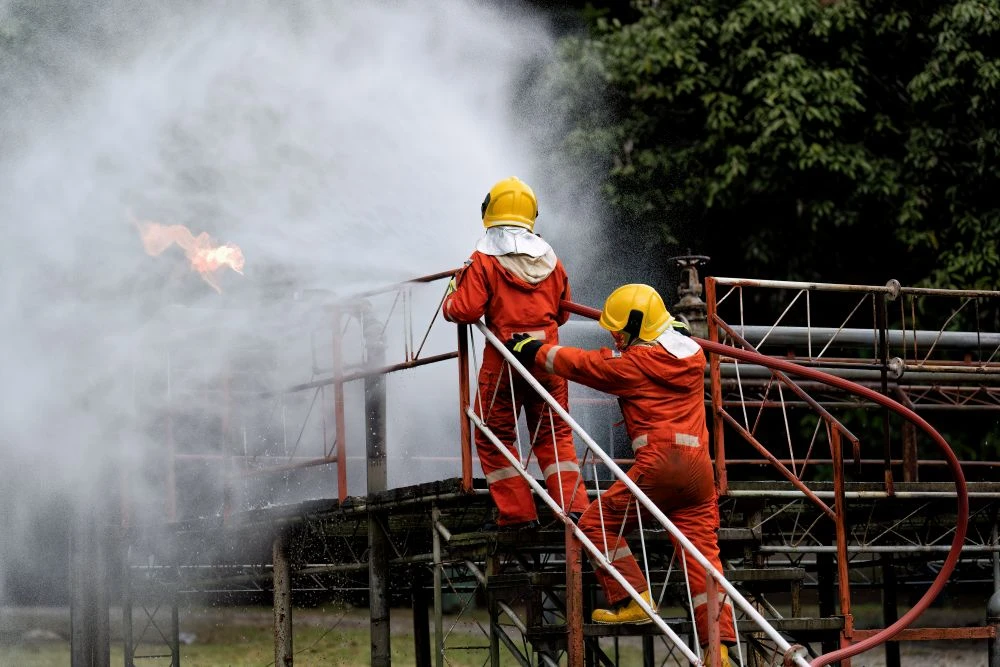

Why It Matters
Fire safety is not an area where clients can rely on assumptions
A fire protection issue can affect building safety, occupancy, insurance, compliance, tenants and the people responsible for the site. If testing records are unclear, defects are not managed or the contractor’s scope is hard to verify, clients are left carrying risk they may not be able to explain or defend later.
A Capability Statement helps your business present the details clients need before they approve your team for installation, maintenance, inspection or rectification work.
What’s Inside
What clients need to check before approving fire protection work
Your Capability Statement should help clients understand what your fire protection business can actually deliver, what systems your team works with and how you manage documentation. We organise the details builders, facility managers, strata managers and procurement buyers need before engaging a fire protection contractor.

Service scope
We outline the work your business provides, such as fire system installation, routine testing, maintenance, inspections, hydrants, hose reels, sprinklers, alarms, fire detection, extinguishers, pumps, passive fire support, emergency repairs or defect rectification.
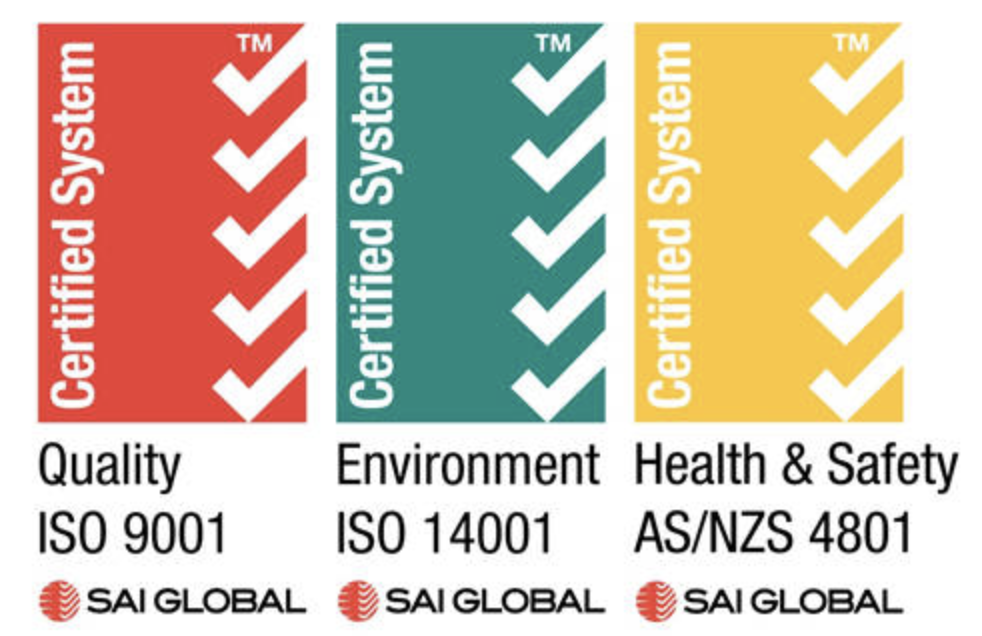
Licences, accreditations and insurance
Includes relevant fire protection licences, contractor licence details where applicable, technician qualifications, industry accreditations, public liability, workers’ compensation and other compliance information clients may request.

Systems and equipment capability
Details the fire protection systems, testing equipment, service vehicles, tools, parts access and technical capability your team uses to complete work safely and consistently.

Site and sector experience
Highlights the types of buildings and clients you support, including commercial offices, strata properties, retail centres, schools, healthcare sites, warehouses, industrial facilities, construction projects or government buildings.

Safety and site procedures
Covers WHS practices, SWMS, access planning, working at heights where relevant, occupied-site procedures, after-hours work, impairment planning, isolation processes and communication with site teams.

Reporting and documentation
Shows how your team manages test records, inspection reports, defect notices, asset registers, service logs, photos, maintenance schedules, handover notes and follow-up communication.
Fire protection work changes with the building and the system
A fire protection services capability statement should make your system experience clear. A new installation, routine maintenance visit, defect repair and emergency response all require different planning, access and documentation.
Testing and maintenance
For scheduled inspection and maintenance work, your document can highlight routine servicing, asset registers, test records, defect identification, follow-up recommendations and communication with facility or strata managers.
Installation and upgrades
For builders, developers and project teams, your fire protection capability statement can focus on system installation, coordination with other trades, commissioning, compliance checks, access planning and handover documentation.
Defects and urgent repairs
For failed components, service issues or urgent rectification, the focus may be response time, diagnostic process, parts access, safety controls, temporary measures where needed and clear reporting after the work is complete.
Testimonials
Delivered excellence, validated results
"The team's attention to detail and commitment to excellence truly set them apart. Thanks to you, we now have a powerful tool that consistently impresses our clients and partners."

"The team did a phenomenal job in developing our capability statement. The quality of the final product blew our team away. I highly recommend them."

"They have been professional, responsive and accommodating since I began dealing with them. Great communication and excellent turnaround time from initial consultation to completion."

"As someone with the computer skills of a house brick the idea of having to construct an effective Capability Statement was daunting to say the least. The team at Spark did a great job!"

They were great to work with and produced a capability statement that exceeded expectations whilst staying true to our existing branding. The quick turnaround time without compromising quality sets them apart. Highly recommended!"

"Carol & the team were great to work with to produce a company capability statement including design and copywriting, they were very attentive and professional. Our team was very impressed with the final product, we would definitely recommend working with them."

"The Team assigned to developing my Company Capability Statement was done with professionalism and done to plan. Also, good follow-up on potential other improvements to help with your business."

"Completed Perth Air and Power Solutions capability statement to extremely high standard."

And more ...

Fire protection clients need records, not just reassurance
A client may see extinguishers on the wall, hose reels in place or an alarm panel in the foyer, but that does not tell them whether the system has been inspected, tested, maintained or documented properly.
A clear fire protection tender document helps show the process behind the visible equipment. It gives clients confidence that your team understands compliance, asset records, defect management, site access and the responsibility that comes with life safety systems.
“In fire protection, the service record can matter as much as the equipment. Clients need proof that the system has been checked, not just installed.”
Make your fire protection capability clear before clients hand over building safety
Builders, facility managers, strata managers and commercial clients need confidence before they approve fire protection work. A clear Capability Statement helps them understand your service scope, licence details, system experience, reporting process and site capability in one document they can review, compare and share with decision-makers.
Why it matters
What clients look for in a fire protection contractor
Fire protection work sits close to building safety, compliance and operational risk. Clients want to know that your team can complete the work properly, report clearly and respond when something needs attention.
A professional capability statement for fire protection services helps present your business as organised, qualified and ready for work where documentation matters as much as attendance.
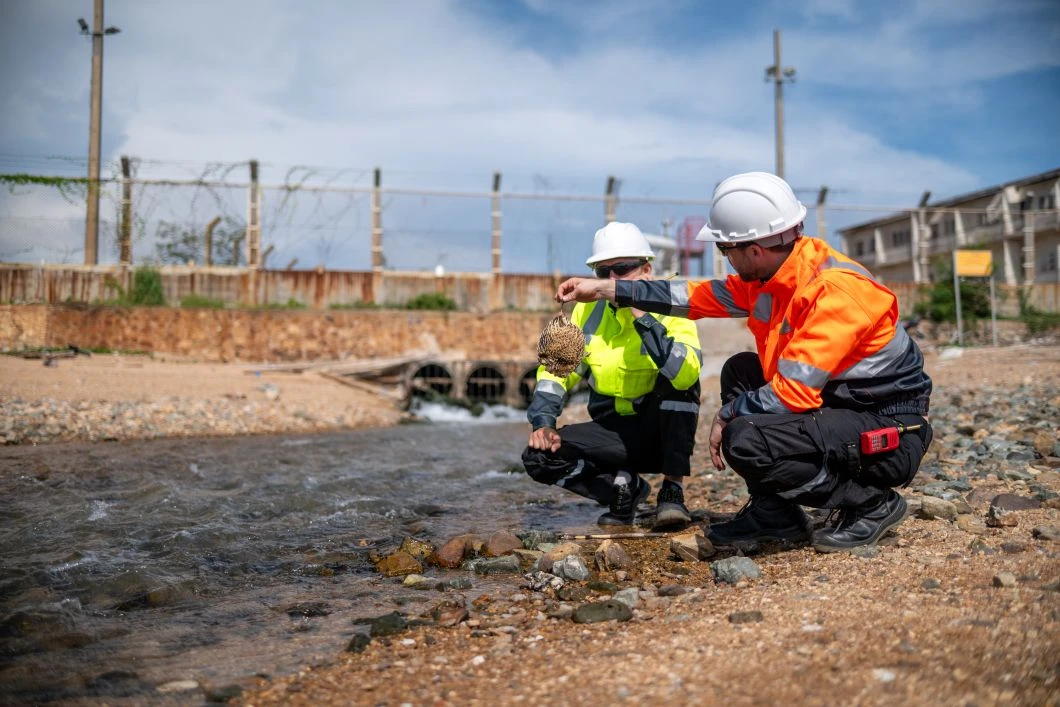
Reliable inspection and maintenance
Show how your business manages scheduled testing, routine servicing, maintenance programs, asset checks and follow-up work.

Clear defect management
Highlight your approach to defect reporting, recommendations, priorities, photos, repair options, communication and tracking open items through to completion.

Practical site coordination
Make it clear how your team works around occupied buildings, access windows, tenants, shutdowns, after-hours works, other contractors and building managers.
OUR FIRE PROTECTION SERVICES CAPABILITY STATEMENT PROCESS
How we create your winning capability statement

1
Discovery
We start by understanding the fire protection services you provide, the systems you work on, the sites you support and the clients you want to target. We also identify the licence details, accreditations, reporting processes and project examples that should be included.
Planning
Our team organises your information around the way clients assess fire protection contractors. This may include your service scope, system experience, licences, insurance, technician capacity, safety procedures, maintenance programs and documentation process.
2


3
Execution
We write and design your Capability Statement so it presents your fire protection business clearly and professionally. The draft brings your technical capability, compliance details, reporting process and site experience into one polished document.
Revisions
You review the draft and confirm the details. We refine the content and layout so the final version is accurate, easy to read and ready to send to builders, facility managers, strata managers, government clients or procurement teams.
4

FIRE PROTECTION SERVICES CAPABILITY STATEMENT FAQS
Frequently asked questions

Get in touch to explore how we can help your business
with a capability statement.
Call us now on
1300 868 000