

CREWS, PLANT AND PROOF.
Road Construction Capability Statement
Capability Statement

Who It’s For
The best crew on the road can still miss out when the tender asks for evidence first
Council and infrastructure work is document-heavy before machinery reaches site. Your team may have the asphalt, drainage, line marking or traffic control experience, but the submission still needs to make capacity, compliance and past performance easy to assess.
- Delivering bitumen, asphalt, resurfacing or pavement works
- Managing kerb, gutter, drainage, earthworks or road rehabilitation scopes
- Providing line marking, signage, traffic control or temporary traffic management
- Supporting Tier 1 or Tier 2 civil contractors on larger infrastructure packages
- Preparing for council panels, government tenders or road authority prequalification


Why It Matters
Road tenders are risk checks before they are price checks
Road construction affects public safety, traffic flow, property access, noise, dust, drainage and the wider project program. Before a client looks closely at your price, they need confidence that your crew can control the site and deliver without creating avoidable disruption.
A road construction capability statement helps turn plant lists, project experience, licences, safety systems and traffic management details into a practical document reviewers can use during shortlisting.
What’s Inside
What reviewers need before roadworks are approved
For road and civil work, the details matter because crews, machines, traffic and public access all intersect. We structure your document around the proof buyers need when assessing road construction crews, asphalt contractors, line marking companies, earthworks operators or traffic management providers.

Service scope
Use it for council tenders, state road projects, supplier panels, civil subcontractor requests and infrastructure opportunities.
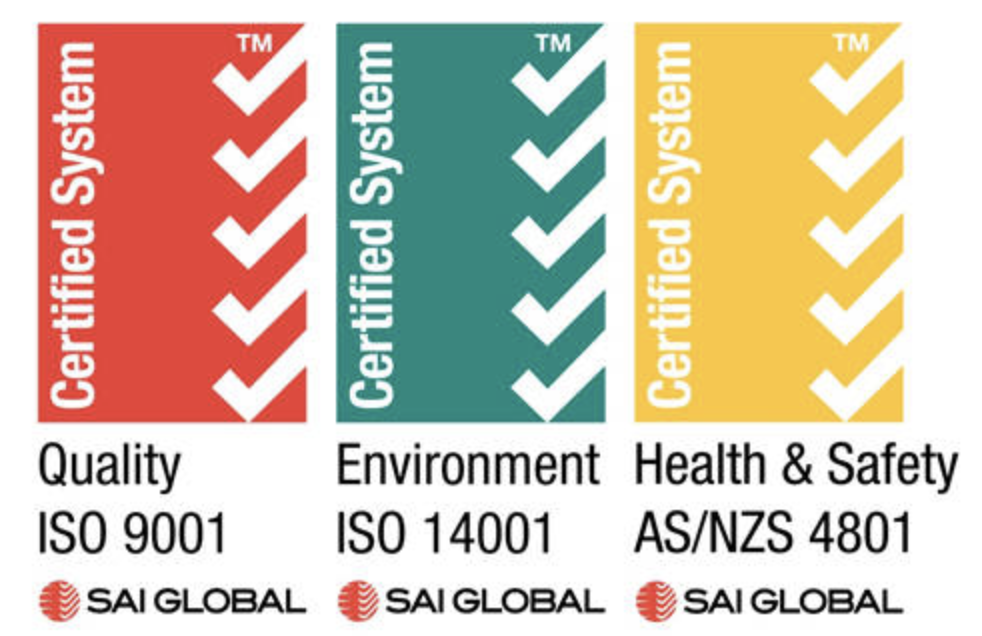
Licences and prequalification
Includes relevant contractor licences, plant operator tickets, traffic control qualifications, state road authority prequalifications, insurance and other compliance information required for submissions.

Team and delivery systems
Shows your supervisors, operators, project coordination, scheduling, quality checks, communication processes and ability to manage staged works, night works or live-site conditions.

Project history
Highlights the road and infrastructure work you have delivered, including council projects, private developments, state road packages, subdivisions, car parks, access roads or maintenance programs.

Safety, traffic and environmental management
Covers WHS systems, SWMS, traffic management plans, pedestrian access, exclusion zones, dust, noise, sediment control, waste handling and other site controls expected on road projects.

Plant, equipment and capacity
Details your pavers, rollers, trucks, excavators, graders, sweepers, compactors, profiling equipment, traffic control assets and crew capacity, so clients can understand what scale of work you can manage.
Roadwork capability changes with the site conditions
A road construction capability statement should show more than a list of services. Road and civil work can look very different depending on whether the job involves a live road, a subdivision, a maintenance program or a larger infrastructure package.
Live road and maintenance works
For resurfacing, patching, line marking, signage and repair work, your document can highlight traffic staging, pedestrian access, night works, public safety, fast turnaround times and the ability to work with minimal disruption.
Civil and subdivision works
For kerb, gutter, drainage, earthworks and pavement preparation, your civil contractor capability statement Australia can focus on plant capacity, sequencing, coordination with other trades, environmental controls and the ability to deliver against project milestones.
Infrastructure subcontracting
For Tier 1 or Tier 2 civil packages, the focus may be prequalification, safety systems, experienced supervisors, plant availability, reporting processes and the ability to meet principal contractor requirements.
Testimonials
Delivered excellence, validated results
"The team's attention to detail and commitment to excellence truly set them apart. Thanks to you, we now have a powerful tool that consistently impresses our clients and partners."

"The team did a phenomenal job in developing our capability statement. The quality of the final product blew our team away. I highly recommend them."

"They have been professional, responsive and accommodating since I began dealing with them. Great communication and excellent turnaround time from initial consultation to completion."

"As someone with the computer skills of a house brick the idea of having to construct an effective Capability Statement was daunting to say the least. The team at Spark did a great job!"

They were great to work with and produced a capability statement that exceeded expectations whilst staying true to our existing branding. The quick turnaround time without compromising quality sets them apart. Highly recommended!"

"Carol & the team were great to work with to produce a company capability statement including design and copywriting, they were very attentive and professional. Our team was very impressed with the final product, we would definitely recommend working with them."

"The Team assigned to developing my Company Capability Statement was done with professionalism and done to plan. Also, good follow-up on potential other improvements to help with your business."

"Completed Perth Air and Power Solutions capability statement to extremely high standard."

And more ...

The road is already in use before the work begins
Road construction crews often work around live traffic, nearby properties, pedestrians, businesses and other contractors. Even before pricing is reviewed, councils and principals need to know the site can be managed without avoidable disruption, safety issues or delays to the wider program.
A clear road construction capability statement gives reviewers confidence that your crew understands the environment around the work, not just the task itself. It helps present your traffic controls, plant, people, project history and delivery systems before the first machine arrives.
“Roadwork is not only judged by the finished surface. It is judged by how well the site is controlled while the work is happening.”
Help decision-makers picture your crew on the job
Before a road package is awarded, someone needs to be confident you can keep the site controlled, the program moving and the public interface managed. A clear Capability Statement gives them the information they need to review your roadwork capability without chasing separate documents.
Why it matters
Proof that keeps the program moving
Infrastructure and road projects often move through several reviewers before a contractor is approved. A project manager may need plant and crew details, a safety team may look at WHS and traffic controls, and procurement may need licences, insurance and past performance in one place.
A professional infrastructure contractor capability statement helps reduce back-and-forth by giving each reviewer the information they need to assess your roadwork capability quickly.

Plant and crew readiness
Show what machinery, operators, supervisors, vehicles and traffic control assets are available for different scopes of road and civil work.

Public interface
Highlight how your team manages traffic flow, pedestrian movement, property access, signage, noise, dust and communication around active worksites.

Delivery confidence
Make it clear whether your business can manage staged works, night works, maintenance programs, council packages, subcontractor requests or larger infrastructure opportunities.
OUR ROAD CONSTRUCTION CAPABILITY STATEMENT PROCESS
How we create your winning capability statement

1
Discovery
We look at the road and civil contracts you are targeting, the services you deliver, the plant you operate, the crews you can deploy and the clients you want to work with. We also identify the licences, prequalifications, safety details and project examples that need to be included.
Planning
Our team organises your information into a structure that makes sense for council, government and civil construction reviewers. This includes your service scope, plant and equipment, project history, traffic management capability, WHS systems, insurance and delivery capacity.
2


3
Execution
We write and design your Capability Statement so it presents your road construction business professionally. You’ll receive a complete draft that brings your civil experience, equipment, safety systems and project capability together in one polished document.
Revisions
You review the draft and confirm the details. We refine the content and layout so your final document is accurate, easy to read and ready to send to councils, road authorities, head contractors or procurement teams.
4

ROAD CONSTRUCTION CAPABILITY STATEMENT FAQS
Frequently asked questions

Get in touch to explore how we can help your business
with a capability statement.
Call us now on
1300 868 000