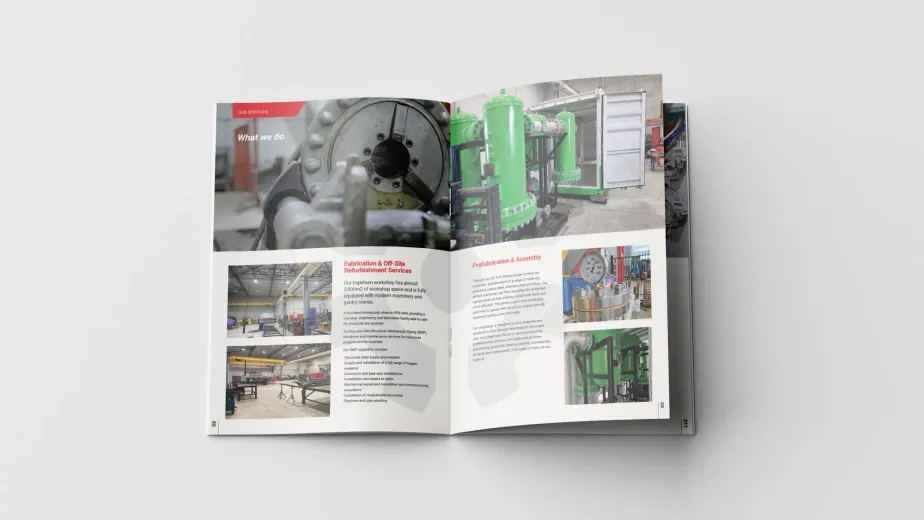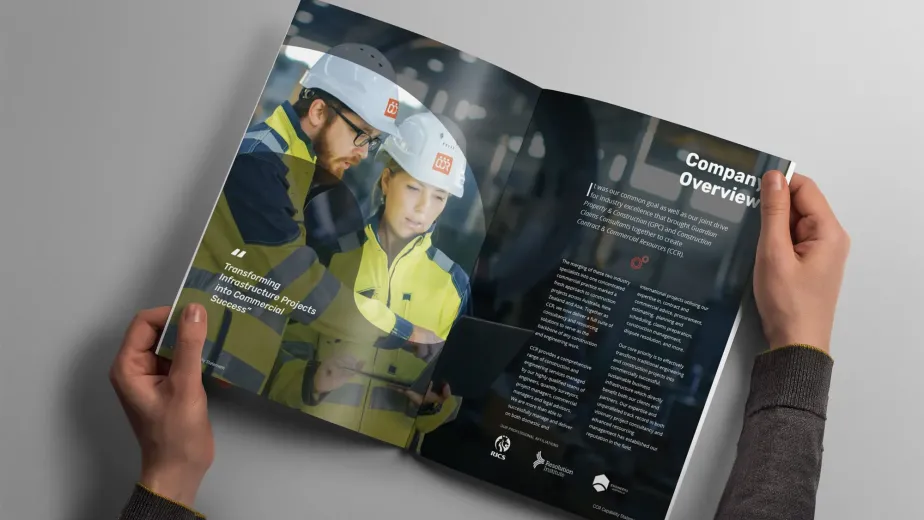

Creating a capability statement might seem straightforward, but we’ve seen hundreds of Australian businesses make costly mistakes that prevent them from winning contracts. After helping over 1,000 companies improve their capability statements, we’ve identified the most common errors that keep quality businesses from getting noticed.
Why Small Mistakes Have Big Consequences
In competitive tendering, decision-makers often have dozens of capability statements to review. A single formatting error, unclear message, or missing piece of information can be enough to move your business to the “no” pile. The good news? Most of these mistakes are easily preventable once you know what to look for.
The 7 Most Common Capability Statement Mistakes
1. Making It All About You (Instead of Them)
The Mistake: Writing your capability statement like a company brochure, focusing on your history, achievements, and what makes you proud.
Why It Fails: Clients don’t care about your journey – they care about what you can do for them right now.
The Fix
Frame every section around client benefits. Instead of “We have 20 years of experience,” write “Our 20 years of experience means you get projects delivered on time, every time.”
2. Using Generic, One-Size-Fits-All Content
The Mistake: Creating a single capability statement and using it for every opportunity, regardless of the industry or client type.
Why It Fails: Government procurement officers and private sector clients have completely different priorities and evaluation criteria.
The Fix
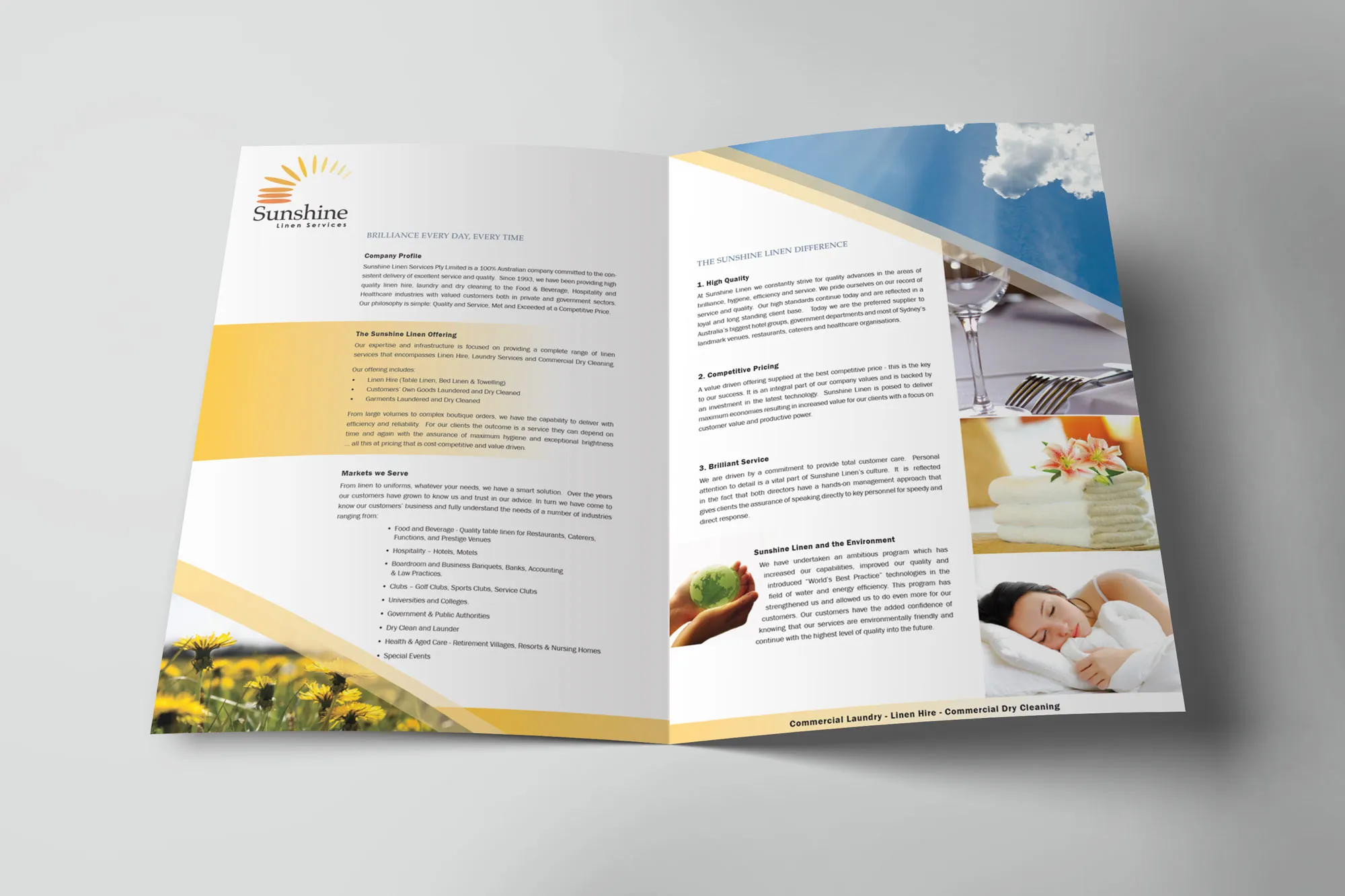
Develop targeted versions for different audiences. Your construction capability statement should emphasise safety records and project delivery, while your professional services version should highlight methodologies and client outcomes.
3. Burying Your Key Differentiators
The Mistake: Listing your services without explaining what makes you different from every other business offering the same thing.
Why It Fails: If you sound like everyone else, you’ll be evaluated on price alone.
The Fix
Lead with what sets you apart. Are you the only local provider? Do you have unique certifications? Have you solved problems others couldn’t? Make these differentiators impossible to miss.
4. Poor Visual Hierarchy and Design
The Mistake: Treating design as an afterthought, resulting in dense walls of text that are difficult to scan.
Why It Fails: Busy procurement officers need to quickly find key information. If they can’t scan your document easily, they’ll move to the next one.
The Fix
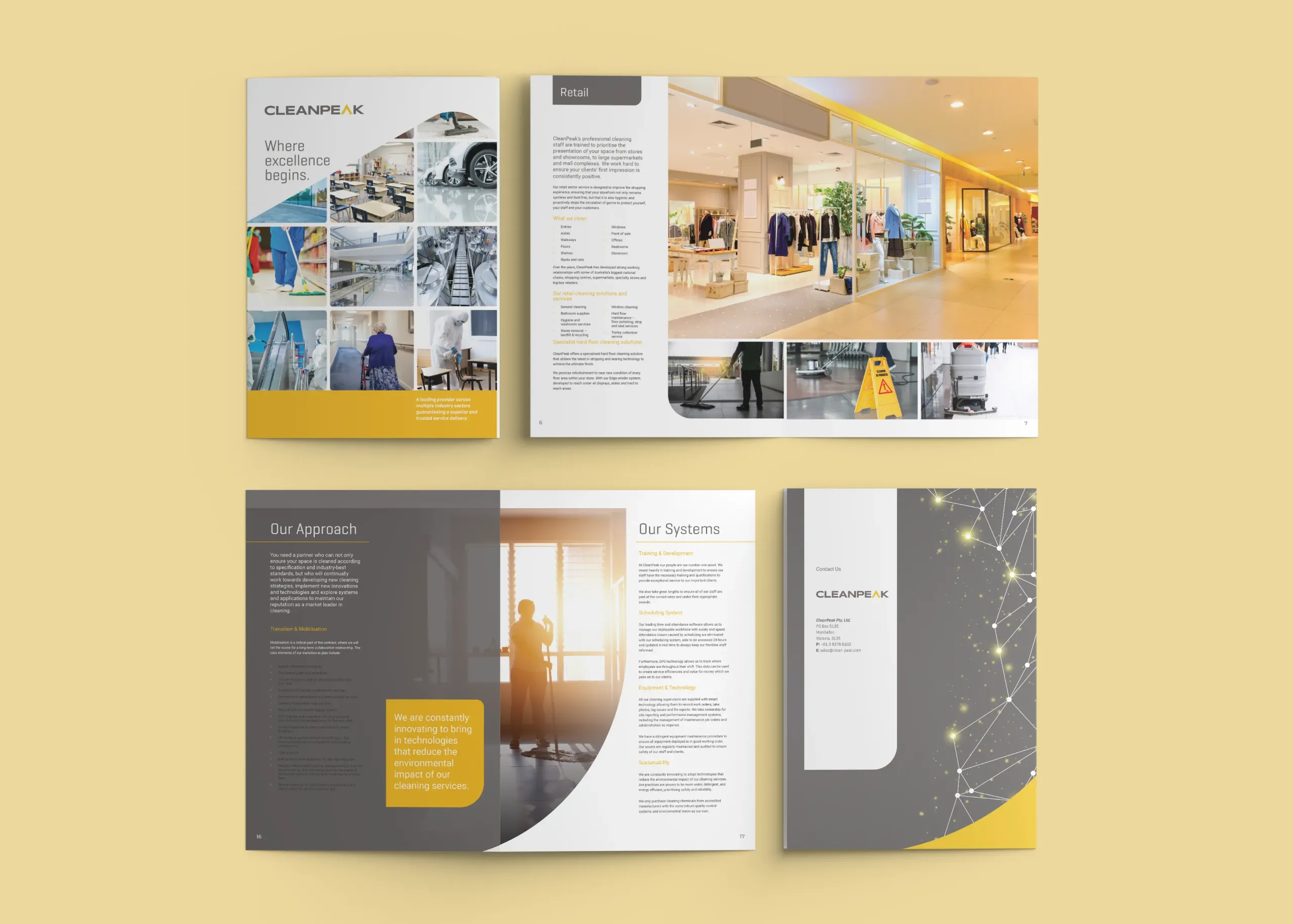
Use clear headings, bullet points, white space, and consistent formatting. Your most important information should jump off the page within the first 30 seconds of reading.
5. Vague or Unmeasurable Claims
The Mistake: Using generic statements like “high quality service” or “cost-effective solutions” without backing them up.
Why It Fails: These claims are meaningless without evidence. Every business makes similar statements.
The Fix
Use specific, measurable examples. Instead of “reliable delivery,” write “98% on-time completion rate across 50+ projects in the last two years.”
6. Ignoring Compliance and Certification Requirements
The Mistake: Failing to prominently display required certifications, insurance levels, or compliance standards.
Why It Fails: Missing compliance information can immediately disqualify you from consideration, regardless of how qualified you are otherwise.
The Fix
Research the specific requirements for your target clients and industries. Create a dedicated section highlighting all relevant certifications, insurance coverage, and compliance standards.
7. Forgetting to Include a Clear Call-to-Action
The Mistake: Ending your capability statement without telling readers what to do next.
Why It Fails: Even impressed readers might not take action if you don’t guide them toward the next step.
The Fix
Include clear contact information and specific next steps. “Ready to discuss your next project? Contact us for a free consultation and project assessment.”
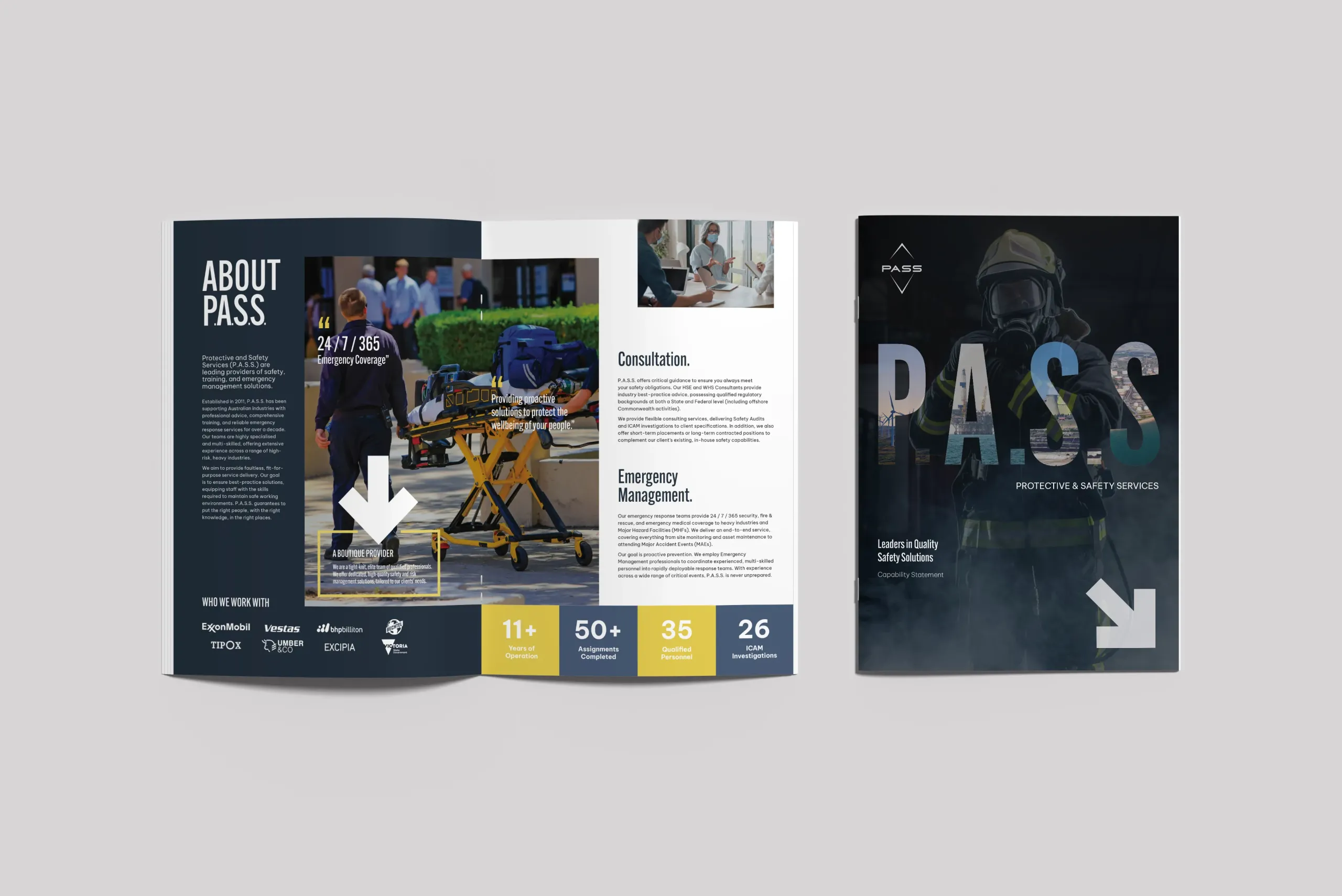
Quick Checklist: Avoid These Mistakes
Before finalising your capability statement, ask yourself:
✅ Does every section focus on client benefits, not just our achievements?
✅ Have we customised this for our specific target audience?
✅ Are our key differentiators clearly highlighted on the first page?
✅ Can someone scan this document and find key information in 30 seconds?
✅ Have we included specific, measurable examples of our capabilities?
✅ Are all required certifications and compliance standards prominently displayed?
✅ Is it clear what action we want the reader to take next?
The Bottom Line
Your capability statement is often your first and only chance to make an impression on potential clients. Small mistakes can cost you contracts worth hundreds of thousands of dollars. But with careful attention to these common pitfalls, you can create a capability statement that consistently wins you more business.
Need help avoiding these mistakes? Build yours in CS Studio, our online capability statement editor, complete with formatting guidelines and industry-specific examples.